Plant Type: Amaranth (Amaranthaceae)
Variety: 'Love Lies Bleeding.' also known as Dark Red-Pink Amaranth Seeds.
Flower Color: Dark red to pink.
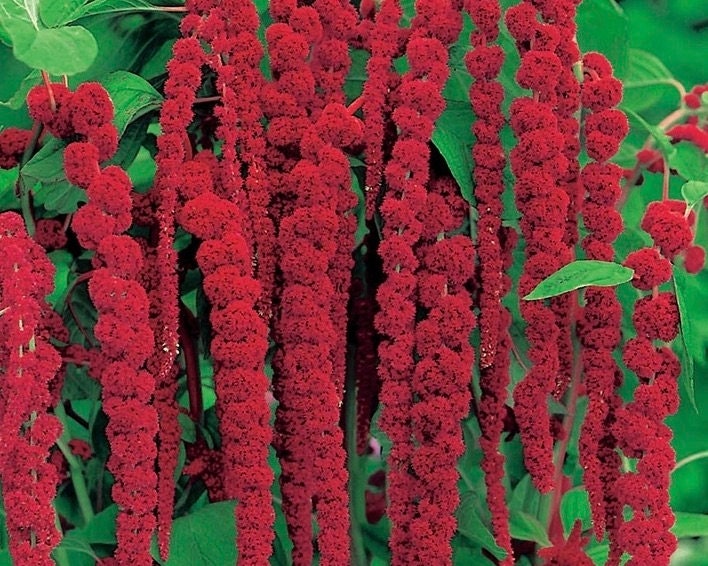
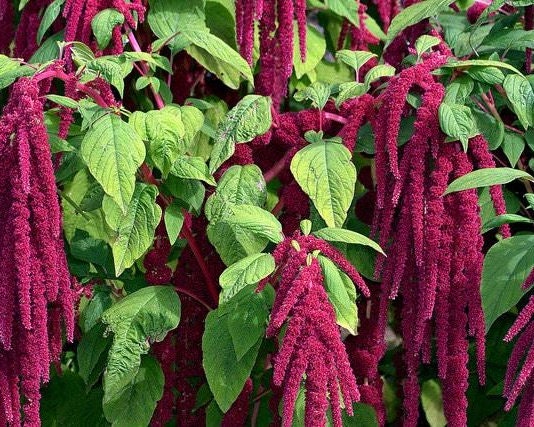
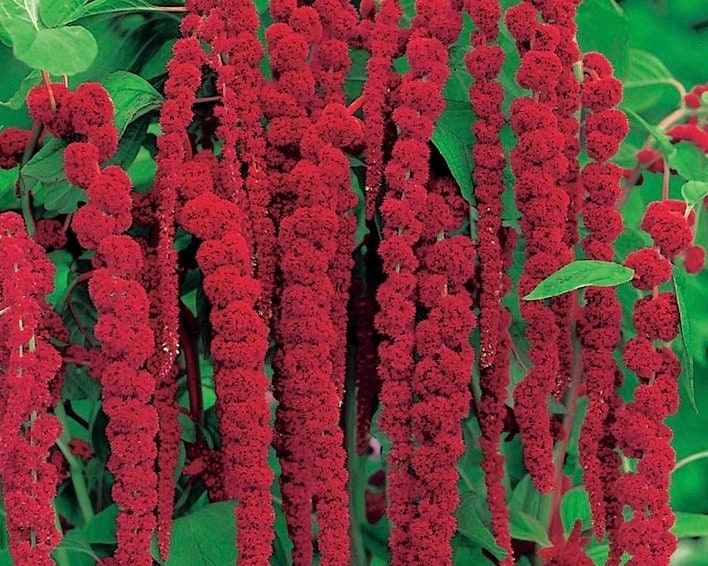
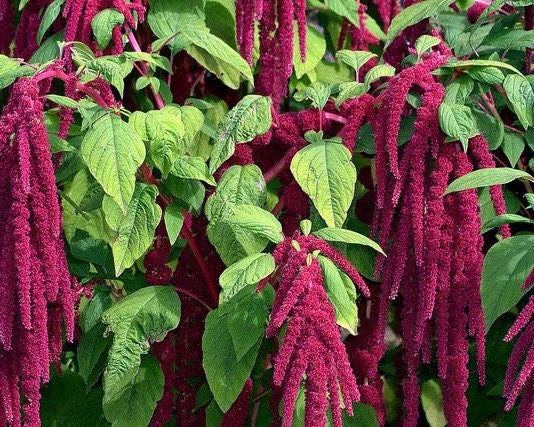
Plant Characteristics: This distinguished amaranth variety. part of the Amaranthaceae family. boasts an upright growth with cascading inflorescence in shades of dark red to pink. Poetically named "Love Lies Bleeding." it conveys a sense of beautiful and profound love.
Meaning: The name 'Love Lies Bleeding' captures the cascading form of its inflorescence. evoking contemplation and a touch of melancholy. Symbolically. the color and shape of the flowers express love. passion. and emotion.
In summary. this amaranth variety is a captivating choice for gardens. offering not only unique aesthetics but also a poetic representation of love and emotion.
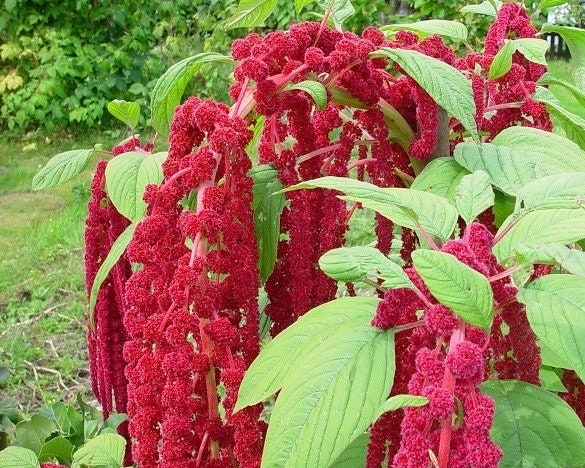
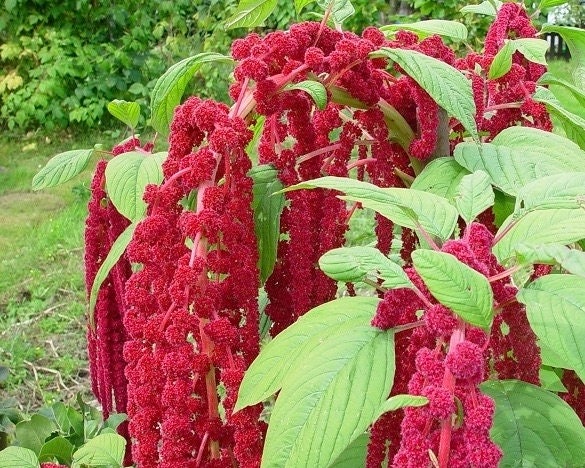
Growth Habit: Upright growth up to 8 feet with round to heart-shaped leaves and draping flower clusters. Taller plants may benefit from stakes for support.
Sun Requirements: Full sun. thriving in hot. humid conditions.
Soil Preference: Average. well-drained soil.
When to Plant: Direct seed in late spring after the risk of frost has passed OR start indoors 4-6 weeks before the last frost date.
How to Plant:
Direct Sow: Plant seeds in soil. ⅛” deep. covering lightly as the seed needs light to germinate. Keep soil moist until germination (10-14 days). Thin young plants 1-2 feet apart.
Transplant: Sow seeds in containers ⅛” deep. covering lightly. Keep soil moist until germination (10-14 days). Transplant after the risk of frost. spacing young plants 1-2 feet apart.
When to Harvest:
- Harvest baby leaves as microgreens.
- Pick tender green leaves once the plant reaches at least 1 foot.
- Cut flowers when nearly fully open through summer and into fall.
- Harvest seeds when they ripen in late summer to early fall.
How to Harvest:
- Cut baby leaves or pick mature tender greens as needed.
- Cut flowers on long stems. removing lower leaves to prevent premature wilt.
- Cut seed heads and bundle them to dry indoors in a dark. dry space. Knock the bundles inside paper bags to easily gather seeds.
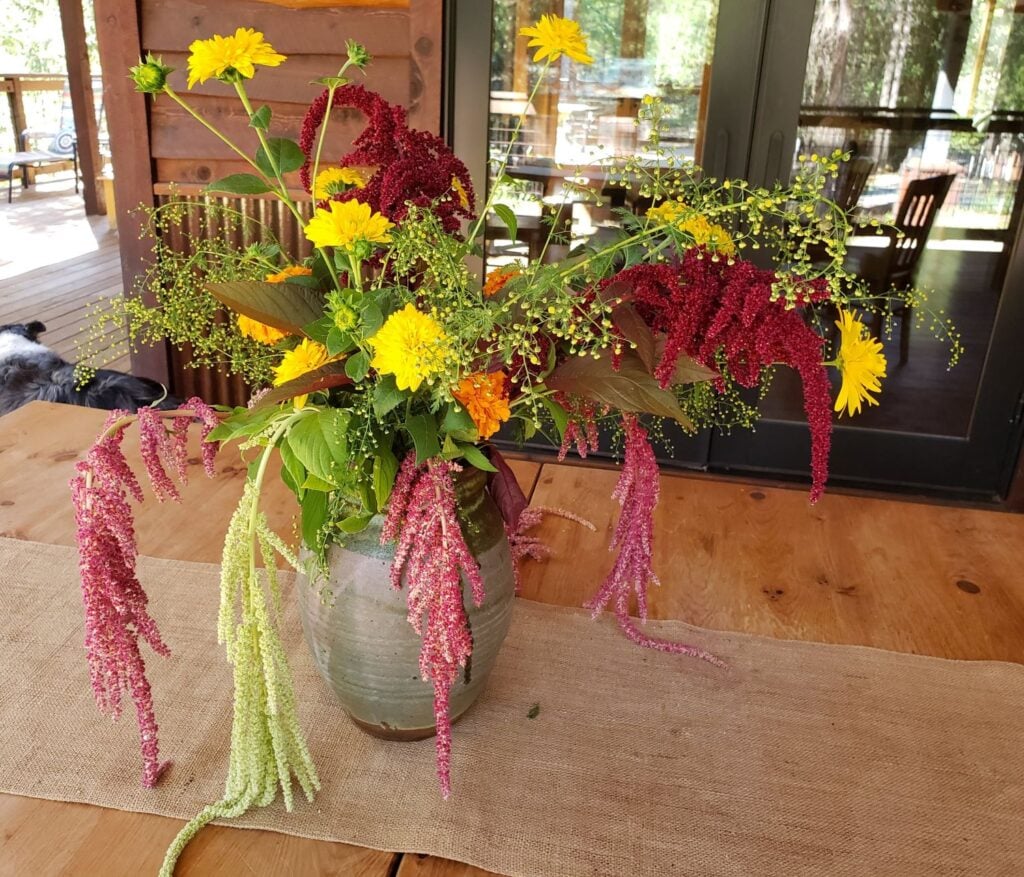
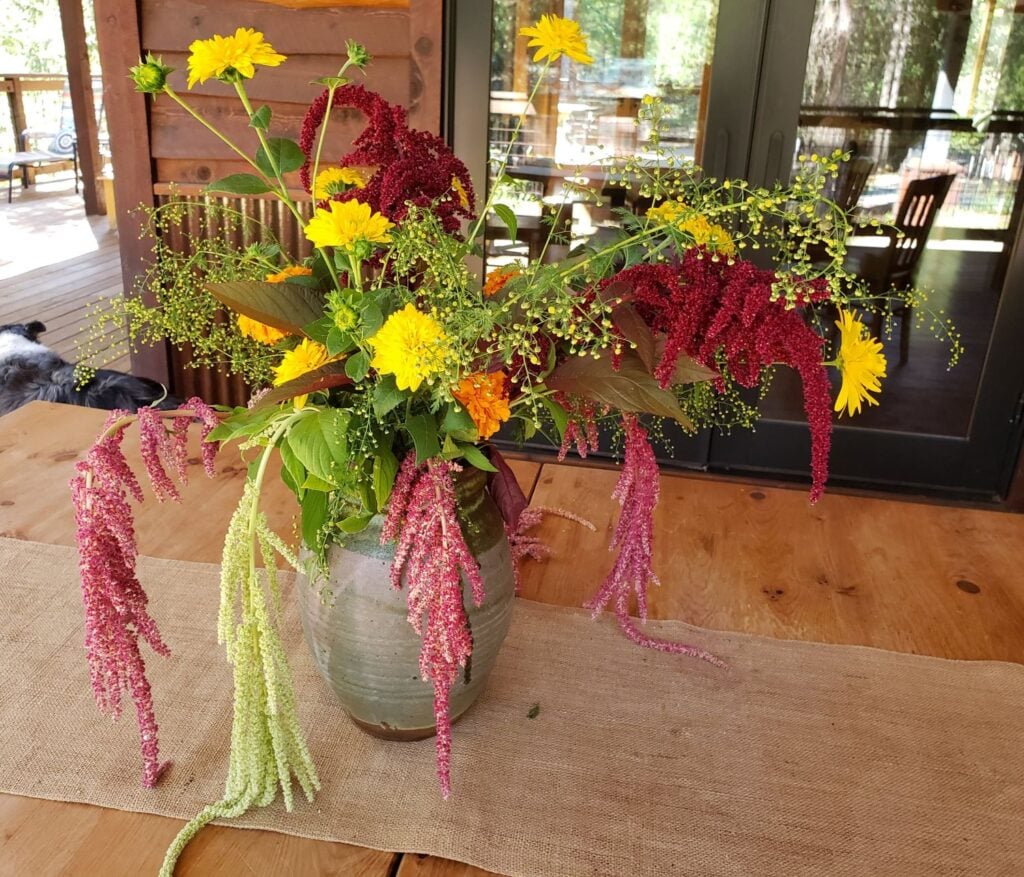
Uses: Amaranth is versatile with edible leaves. flowers. and seeds. Enjoy baby leaves as microgreens. larger leaves as a tender cooked green. and seeds as a high-protein. gluten-free grain or flour. The mature. drapey flowers also make beautiful additions to fresh cut flower arrangements. Additionally. this plant is used as a dye plant by the Hopi people.
Seize the opportunity to cultivate beauty and love in your garden! 🌸✨